Sourdough classes 2011

cs_logo

Dan will be running ‘hands-on’ sourdough bread making classes at Cookery School in central London on the following dates in 2011:

Saturday 26 March

Saturday 21 May

Saturday 30 July

Saturday 24 September

Saturday 26 November

The classes will run from 9.00am to approximately 4.30pm, and will cover all the stages from making and keeping a healthy leaven through to the finished loaves coming out of the oven, with a special session devoted to shaping your dough to create that perfect effect. There is also time to talk with Dan, either over the traditional Cookery School lunch or at the end of the day, and to ask him about any problems you may be having with your loaves.

These classes are suitable for a passionate beginner or someone with some experience of bread making who wants to refine and develop their skills, and Dan tries to provide a fairly full day of practical bread making tuition. The location is not wheelchair accessible (one flight of stairs) and the class size is limited to 14 people.

All bookings should be made through Cookery School (email info@cookeryschool.co.uk or telephone 020 7631 4590), or email us if there’s anything you’d like to check before booking.

Chocolate Rum Truffles

truffle2

A chocolate rum truffle

I would never suggest that the amazingly talented and experienced bakers who follow this site ever put a foot wrong. But when I had my teashop & patisserie, and was baking cakes every day, there were times when things didn’t turn out quite perfectly. Perhaps it was a new assistant in the kitchen, or a recipe that needed several attempts to get just right. But whatever the cause, if I found myself left with something I couldn’t proudly put on sale, I was faced with that glum feeling that all those good ingredients were going to waste. Until one day, my ever-resourceful mother asked me why I wasn’t making rum truffles. Not those dainty little confections of chocolate ganache dusted with cocoa powder or in an almost non-existent crisp chocolate coat, but the big, stick-to-your-ribs balls of cake crumbs, glued together with jam and dark rum, and rolled in chocolate vermicelli. The sort of thing your English grandma might have tucked into, when the Vicar came to afternoon tea.

So when, a couple of weeks later, a new chocolate cake recipe resulted in four cakes which had all sadly sunk in the middle, I decided that all that flour, butter, eggs and good Belgian chocolate and cocoa would make the perfect starting point for an experiment: or, what to do, when good cakes go bad.

Chocolate Rum Truffles

Makes 18-20; all quantities in this recipe are approximate and can be adjusted to taste, as long as the mixture is firm enough to retain its shape.

800-825g chocolate cake crumbs
170g caster sugar
70g cocoa
270g smooth apricot jam
125ml dark rum (or more to taste)
150-180g dark chocolate vermicelli

cakepieces

1. Chocolate cake, cut into pieces

Cut the chocolate cake into pieces and then run them through a food processor, to create a fine crumb. This way, even the harder bits of crust get reused and you don’t need to waste anything. But if you don’t have a food processor, you can crumble the cake finely between your fingers and discard any recalcitrant lumps.

Combine the cake crumbs, sugar and cocoa in a large mixing bowl. Add the jam (sieving it if necessary, to remove any large pieces of fruit) and then the rum.

Rendering of template gallery-feature4.php failed

Knead to a sticky but firm paste, and then form into balls of around 75g by rolling between your hands. Then, while still warm and soft from your touch, roll in the chocolate vermicelli, in a small bowl. Place into paper cases and chill until required. If possible, leave out of the fridge for 20 minutes to warm up slightly before serving.

Rendering of template gallery-feature4.php failed

tea time

8. Perfect with afternoon tea

Oh, and the result ? Well, they all sold; one regular customer ate two; and the next week, I was making extra chocolate cakes, just to have some spare for making more chocolate rum truffles.

For sharing: GF DF and vegan-ready

main

Baked, sliced and ready for the table

My starting point for this recipe came from helping Dan at the Easter 2010 hot cross buns bakeday he ran for the Mumsnet website though it may surprise you to read that the recipe used there contained wheat flour, milk, butter and egg!

However, one of the enthusiastic and friendly posters who joined us on the day, known to us simply as MayOnnaise and based in Basel, Switzerland, gave a link to her recipe for a gluten free hot cross loaf, which she posted here and here

GF baking is often seen as a rather specialised niche, but our friend Alex is a coeliac and Dan and I both enjoy making things she can share. However, I also have a definite tendency towards tweaking and adapting recipes, and with Easter almost over for this year, my first thought was to make this into an “all year round” GF fruited bread. I also wanted to incorporate some of the baking ideas other Mumsnetters had suggested, firstly with chopped dried apricots and ground ginger, and then to increase the fragrance by soaking the fruit overnight in Earl Grey tea to introduce that citrus-bergamot aroma.

I also wanted to give the dough more structure by including psyllium husk, which Dan used so successfully in his GF white bread recipe so that you could, if you wanted, shape it into individual buns, rather than a single loaf; and finally, I thought that as I’d gone this far in making a “sharing” loaf suited to special diets, maybe I could also make it Dairy Free and even easily adapted for Vegan bakers. So MayOnnaise, if you’re reading this, my thanks for the inspiration and I trust you won’t be too disturbed by the liberties I’ve taken with your original recipe!

Gluten free, dairy free, vegan-ready fruited bread

150g dried fruit (I used 75g whole currants and 75g chopped dried apricots)
a pot of freshly-made Earl Grey tea
1 7g packet dried yeast
1 tsp soft brown sugar
75ml hand-hot water
500g GF flour mix (see below)
¾ tsp salt
zest of ½ an orange
2 tsp cinnamon
3 tsp ground ginger
50g soft brown sugar
1 egg (or for vegan baking, use a vegan egg replacer)
25ml sunflower oil (and a little more for brushing)
15ml lemon juice
100ml soya milk (and a little more for brushing)
175ml hand-hot water

pic

1. Mixing the dough

Place the dried fruit in a bowl, pour the hot Earl Grey tea over the fruit and leave overnight, then drain thoroughly. Line a 26cm long loaf tin with baking parchment.

Mix the yeast, tsp sugar and 75ml water in a bowl, leave for 10-15 minutes to start working. In a larger bowl, mix the flour, salt, orange zest, spices and sugar; whisk the egg, 25ml oil and lemon juice together, and add to the flour along with the drained fruit, yeast mixture and 100ml soya milk and combine, gradually adding the 175ml water in stages, so that the starch has time to soak it up. Form the smooth sticky dough into a neat ball shape and leave for 30 minutes.

Then place the dough on the worktop, pat out into an 20cm square, and roll up tightly towards you, keeping the ends neatly tucked in.

Rendering of template gallery-feature4.php failed

Place the dough into the loaf tin, patting it down gently with the flat of your hand; carefully balance the tin across a bowl filled with boiling water, cover with a clean tea-towel, and leave to rise for an hour or until increased in size by 50%.

Rendering of template gallery-feature4.php failed

Preheat oven to 210ºC. With a very sharp blade, slash the dough lengthways then brush the surface sparingly with a little soya milk, put straight into the oven, and bake for 45-50 minutes. When the loaf is removed from the oven, brush the top with a little sunflower oil, cover with a tea-towel and leave to cool in the tin for 10 minutes before turning out onto a wire rack.

Home made Gluten free flour mix:

Gluten free flours suitable for baking are quite widely available, but if you don’t have access to them, or would prefer to make your own from separate ingredients, this is the recipe I have been using:

Ingredient %age To make 500g Function
Psyllium husk
5%
25g
Provides structure, holds moisture in the crumb
Cornflour (cornstarch)
43%
215g
Bulk starch, low cost
Rice flour
30%
150g
Gives a lighter, softer texture to the crumb
Potato starch
12%
60g
Makes dough cohesive, reduces cracking during baking
Soya flour
10%
50g
Adds colour and background flavour
Total:
100%
500g

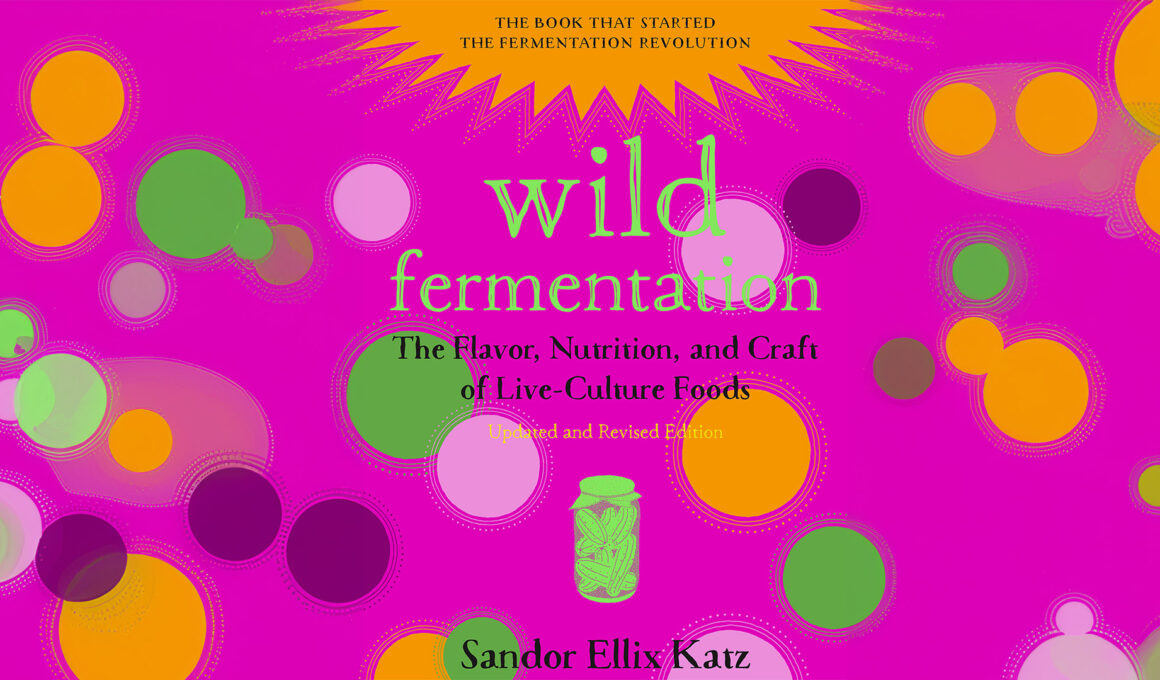
Wild Fermentation

Not a baking book, per se, but one which I’ve found interesting and thought-provoking enough to want to see it included here, and to encourage you to look at and hopefully buy.

The chapters most immediately relevant to a baker are those on breads & pancakes, and on fermented grain “porridges”. In the former, the basic sourdough starter recipe suggests using potato or pasta cooking water and possibly some organic grapes or berries to kick start the process, and asks us to cover the open bowl with something porous like cheesecloth, and the following bread recipe encourages experimentation, with its use of leftover grains and a variety of liquids, including stock, beer or sour milk, and we are urged to allow as long as it takes for the dough to rise.

There are also recipes for an onion-caraway rye bread, an Afghan flatbread and the sprouted-grain Essene bread, amongst others, but the book is primarily a call for us to be more aware of the ubiquity of fermented foods in all their forms, and most of all, it is its author’s personal story of a love affair with fermentation and its perceived health benefits.

Given that you can’t spend an evening in front of the television in the UK without being bombarded with adverts extolling the benefits of “good” micro-organisms in commercially-available yoghurts, it’s perhaps surprising that “artisanal” fermentation is still in its infancy here; and surely any reaction against the bland flavours of processed foods should wholeheartedly embrace the stinky-zingy-tangy palate of fermented flavours, so many of which we could cultivate in our own homes.

I’d never assert that any one book contained all the answers, but at least this book isn’t afraid to ask us questions, about how we eat and how we react to now-unfamiliar food tastes and smells, which our ancestors would almost certainly have been familiar with. So much more than a bread book, this paperback will also guide you through fermenting vegetables and beans, dairy products and more; the section on “country” wines, made from fruits and vegetables, reminded me of the knockout potions my grandfather used to brew from his Buckinghamshire garden, drinks so strong that my Aunt Joan still calls them “idiot’s brew”.

This book clearly grew from the author confronting a health crisis in his own life, and from his need to acquire a new focus and meaning, and along the way he has clearly created a happy synthesis of where he came from, where he is now and where he is heading. It’s an unusual book, a kind book, and an affirming book. For anyone who ever looks inward, and contemplates their own place in the bigger scheme of things, it’s a rewarding book.

Tags: , , , ,

Australia: Melbourne: The Green Grocer

pic

above, a rosemary-topped focaccia straight out of the oven and left to cool on the balcony, at The Green Grocer

On past trips to Melbourne, Dan’s been delighted to hold bread making classes and other events at The Green Grocer, an outstanding organic cafe, food and wine retailer and cookery school in North Fitzroy, in the heart of the ‘good bread belt’ – Dench Bakers, Loafer Bread and Natural Tucker are all just around the corner, and if you need some written inspiration, then Books for Cooks, that unequalled paragon amongst foodie bookstore, is just a short tram ride away. Even the Piedimonte’s supermarket on the corner sells a terrific pane di rosetta.

pic

dough for the Mill Loaf, resting at The Green Grocer

Classes at The Green Grocer have their own rhythm and charm, taking place in a fully-equipped kitchen above the cafe, the separate ‘wine room’ next door with its cool and breezy balcony overlooking the bustle of Scotchmer Street and St George’s Road providing a charming opportunity to unwind afterwards with a glass of wine or a bottle of organic Mountain Goat Steam Ale brewed just down the road in Richmond, and chat more informally with the class members.

More suited to a shorter evening class than an all-day event, Dan’s classes here have concentrated on dealing with and explaining some of the more complicated ideas from The Handmade Loaf and The Cook’s Book, along with basic techniques for baking good open-textured naturally fermented and yeasted breads at home. He’s talked about how Australian flours differ from those widely available in the UK, France or Italy, for example, and how best to use them to make outstandingly good bread, and one popular feature has been to lead the class through all the stages of making the Mill Loaf (from The Handmade Loaf), using 3 different flours (baker’s white, wholewheat and rye) from Four Leaf Milling in Tarlee, South Australia, and  an ‘overnight’ method where you make the dough the night before, stick it in the refrigerator, take it out the following day and bake it when it’s puffed up and lively.

pic

the baked Mill Loaves, left to cool out on the balcony at The Green Grocer

At these classes, Dan has also made the focaccia from The Cook’s Book. This is a good example of an impossibly sloppy, sticky dough that turns into something malleable and easy to shape, all due to the quantity of bubbles forming inside the dough – gently stretched and folded, until full of holes and ready to be shaped. The underlying concept is to mix and move the dough along, through the different stages, only when you can observe the changes that tell you it’s ready. Dough watching rather than clock watching, and realising that that you have much more time to do other things when you make bread this way. Finally, the loaves are baked using a baking stone in The Green Grocer’s large gas-fired ovens.

To compress the whole process into a single evening’s class, Dan presents doughs made at different times during the preceding day, so that the class can see all the stages from unmixed flour to fully-baked loaf, and then breads baked before the class are enjoyed with a glass of wine, so that once the class is finished, everyone can taste and talk about the end results.

It would be unfair to end this article without mentioning the cafe and shop at The Green Grocer once more. I’ve always found it a delightful and informal place to eat really good food, and would recommend you to visit their website and check out the Menu, which changes with the seasons, and the wine list. Brunch items such as eggs with sourdough toast, porridge with fruit, nuts and seeds, and fresh juices are served all day, along with a selection of salads and hot lunch dishes, or you can choose something from the bakery counter to enjoy with one of their organic fair trade coffees or range of more than a dozen types of tea and herbal infusion. The shop has the variety of organic fresh produce which the name might lead you to expect, along with ‘larder essentials’ (most of them made on the premises), convenient meat, cheese and dairy products, and their range of ‘slowfoodfast’ and freezer products, if you’re looking for a take-home meal.

pic

the Mill Loaf, make with Australian flour and baked in Melbourne

The Green Grocer
217 St George’s Road
Fitzroy North 3068 VIC
Telephone (03) 9489 1747

Tags: , , , ,